Registered Landfills Used by Local Skip Hire Companies
Posted by on 2025-05-13
Registered landfills play an essential role in waste management, particularly for local skip hire companies that rely on these sites to dispose of the refuse they collect. In recent years, as environmental concerns have risen and regulations have tightened, the importance of registered landfills has only increased. These facilities are not merely dumping grounds; they are carefully managed sites designed to minimize their impact on the environment while addressing society’s relentless production of waste.
Local skip hire companies act as intermediaries between households or businesses generating waste and the landfills where this waste ultimately ends up. These companies provide a convenient service by delivering skips to customers’ locations, collecting them when full, and ensuring that all collected materials are disposed of properly (or recycled if possible). The use of registered landfills by these companies ensures that waste is managed according to the strict guidelines imposed by governmental bodies aimed at protecting both human health and the environment.
The process of registering a landfill site is rigorous and includes various assessments to ensure compliance with environmental safety standards. This registration guarantees that the landfill will operate under conditions designed to mitigate potential adverse effects such as soil contamination, water pollution, or greenhouse gas emissions. For local skip hire companies, using registered landfills is not just about legality; it is about sustainability too! By choosing facilities that adhere to stringent regulations, these companies contribute positively towards reducing the overall ecological footprint associated with waste disposal.
Furthermore, registered landfills often incorporate modern technologies such as methane capture systems and advanced liners to prevent leachate from contaminating surrounding areas. Such innovations underscore the commitment within this sector towards improving waste management practices. Skip hire firms benefit from these advancements because they can assure their clients that their waste is being handled responsibly and sustainably.
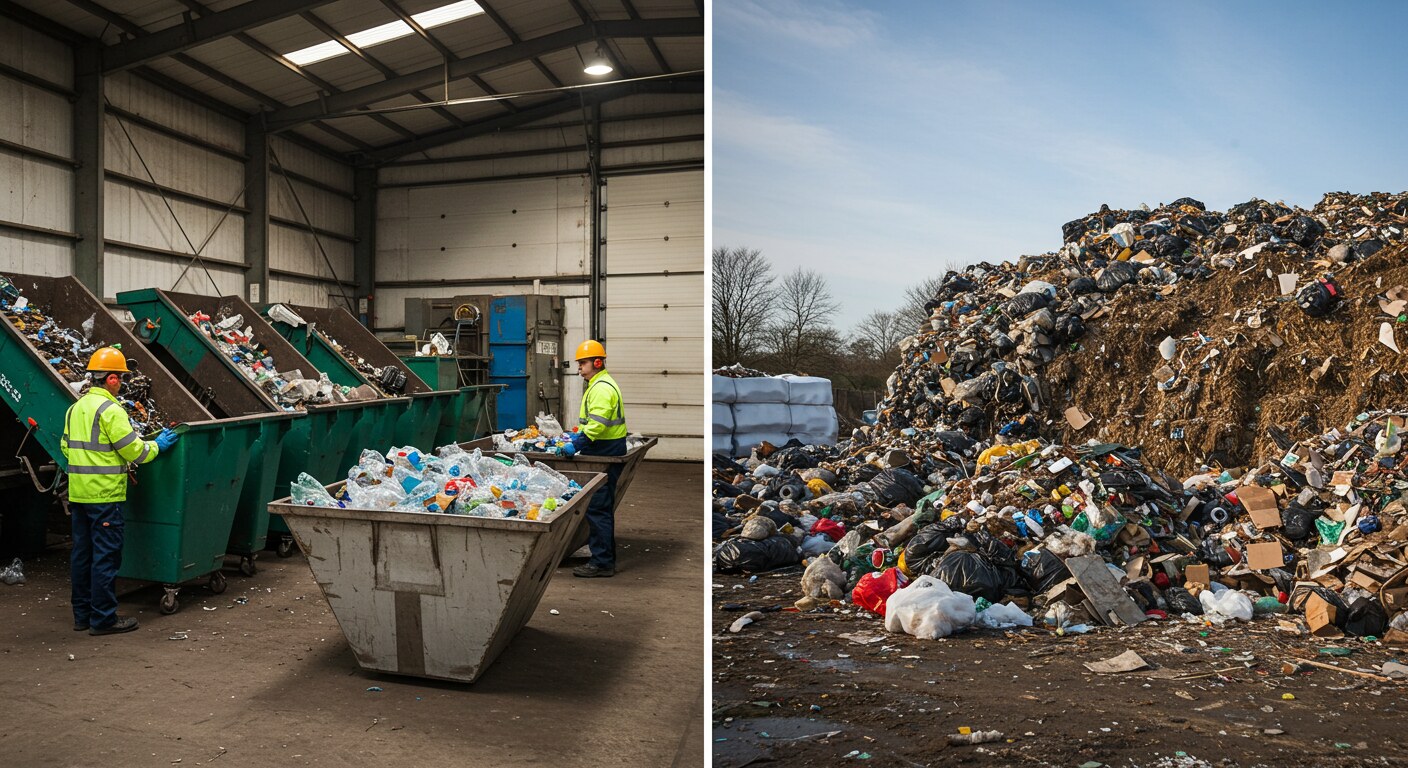
However, relying solely on registered landfills does not address all challenges faced by skip hire companies today. With increasing pressure to recycle more materials and divert waste away from landfill sites altogether, there is a growing need for innovation within this industry. Many skip hire operators are now investing in sorting facilities to separate recyclable materials before sending residuals to landfills. This approach not only reduces landfill use but also aligns with broader environmental goals aimed at resource conservation.
In conclusion, registered landfills serve as pivotal components in the chain of effective waste management employed by local skip hire companies. While these sites ensure safe disposal practices through adherence to regulatory standards, there remains a compelling drive toward reducing reliance on them via enhanced recycling efforts and innovative solutions within the industry itself (a challenge worth tackling!). As we move forward in an era increasingly defined by sustainability concerns, collaboration between government entities, landfill operators, and skip hire services holds promise for creating more efficient systems capable of handling society's ever-growing demand for responsible waste disposal solutions.